

Parenting
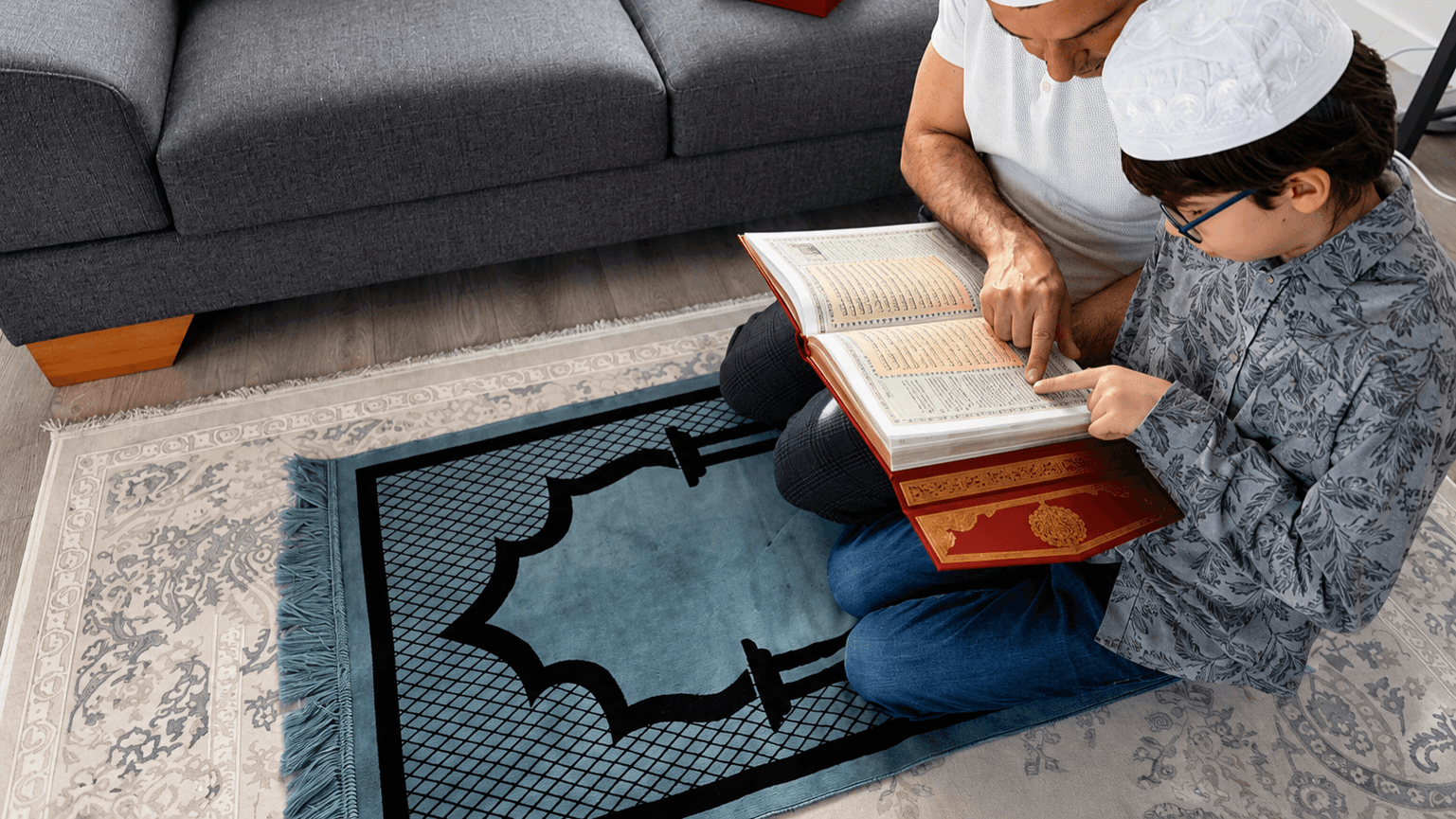
Raising Children Within Their Capacity: How Do We Gradually Raise Our Children Born in the West?
July 18, 2026 · 4 min read
By: الأكاديمية
Many fathers and mothers living in Western countries experience constant worry about their children — they want to preserve their religion and identity, while at the same time helping them succeed in the society they live in.
Sometimes, educators fall into the mistake of expecting quick results, wanting a child to commit to everything all at once. When the child falls short in some area, they feel discouraged or resort to harshness.
But the Islamic methodology teaches us that Tarbiyah is a long journey, built on gradual progress and patience, and that building Iman and character requires time, just as a plant requires care before it bears fruit.
Why do children of the diaspora need gradual Tarbiyah?
How does the Islamic methodology help us build values?
Practical steps for raising children according to their capacity
The importance of a righteous environment in lands of migration
Tarbiyah Is a Journey, Not a Race
One of the most important lessons we learn from the heritage of the scholars is that a person advances in Iman and character step by step, and does not move to the highest ranks in a single day.
For this reason, we should not demand of our children what exceeds their age or capacity, but rather begin with the fundamentals, then build upon them gradually.
A child first needs to love Allah and His Messenger ﷺ, then learn acts of worship, and his understanding and commitment will grow with time.
Consider Your Child's Abilities
Children differ in their personalities, their abilities, and the environment they live in, especially if they were born in a non-Muslim society.
Successful Tarbiyah, therefore, does not mean being lax, but rather choosing the appropriate approach and the appropriate timing for each stage.
Always ask yourself:
Is this expectation suited to my child's age?
Did I explain the wisdom behind it before asking him to apply it?
Do I encourage him when he succeeds, or do I only notice his mistakes?
The more we take our children's abilities into account, the more receptive they will be to Tarbiyah.
Tarbiyah Begins with Seeking Allah's Help
Parents exert all the effort they can, but guidance rests in Allah's hands alone.
For this reason, Dua should be present at every stage of Tarbiyah, and parents should keep in mind that raising their children is an act of worship by which they draw closer to Allah.
Success does not depend on experience alone; it requires Allah's granting of success as well.
Do Not Rush the Fruit
One common mistake is for parents to judge the success of their Tarbiyah based on a single situation or a short stage of life.
A child may go through a period of weakness, questioning, or mistakes, and this does not mean that everything his parents instilled has been lost.
What matters is that the relationship remains built on:
Dialogue
Trust
Good example
Patience and continuity
Real change requires time.
Build Values Before an Abundance of Rulings
If a child comes to love Salah, maintaining it will become easy for him.
If he comes to love the Qur'an, he will be eager to recite it.
If he comes to love Allah and His Messenger ﷺ, commitment to obedience will spring from his own heart, rather than being merely a response to commands.
For this reason, be diligent in instilling love and Iman before adding an abundance of details and rulings.
A Righteous Environment Makes a Great Difference
Children of the diaspora need others who share the same values with them, so they do not feel alone.
For this reason, be diligent in:
Connecting them to the mosque
Involving them in Islamic activities suited to their age
Choosing righteous companionship for them
Building relationships with families who share your concern for raising children well
A righteous environment helps children remain steadfast, and eases the pressures of society upon them.
Practical Steps
When your child wants to learn about the religion... begin with the fundamentals, then move gradually into the details.
When he falls into a mistake... discuss it with him calmly, guide him, and do not let the mistake be the end of the road.
When he feels different from his peers... strengthen his confidence in his religion, and mention to him inspiring examples of Muslims.
When he loses enthusiasm... encourage him, remind him of the goal, and do not overdo the blame.
When he succeeds in a small step... celebrate his achievement and encourage him to keep going.
Raising children in lands of migration requires wisdom and patience far more than it requires an abundance of commands. A successful educator does not seek quick results, but is diligent about building Iman in the heart, then helps his children grow step by step.
Always remember that your role is to point your children toward the path and to take the permissible means, while guidance and success rest in Allah's hands alone.
So increase your Dua for them, be patient in raising them, be a good example for them, and trust that a righteous planting, even if its fruit is delayed, will not, by Allah's permission, be lost.
We ask Allah to protect the children of Muslims everywhere, to grant them steadfastness upon His religion, and to help fathers and mothers fulfill this great trust.
Related posts
July 19, 2026 · Parenting · 4 min read
To Be a Muslim in the West: From Reaction to a Purposeful Mission
July 19, 2026 · Parenting · 4 min read
Cultivating the Earth While Living Abroad: A Presence, Not a Withdrawal
July 19, 2026 · Parenting · 4 min read