Moral Education and Character Building
The Impact of Moral Education on Reducing Negative Behaviors Among Youth
June 10, 2026 · 4 min read
By: الأكاديمية
The Impact of Moral Education on Reducing Negative Behaviors Among Youth
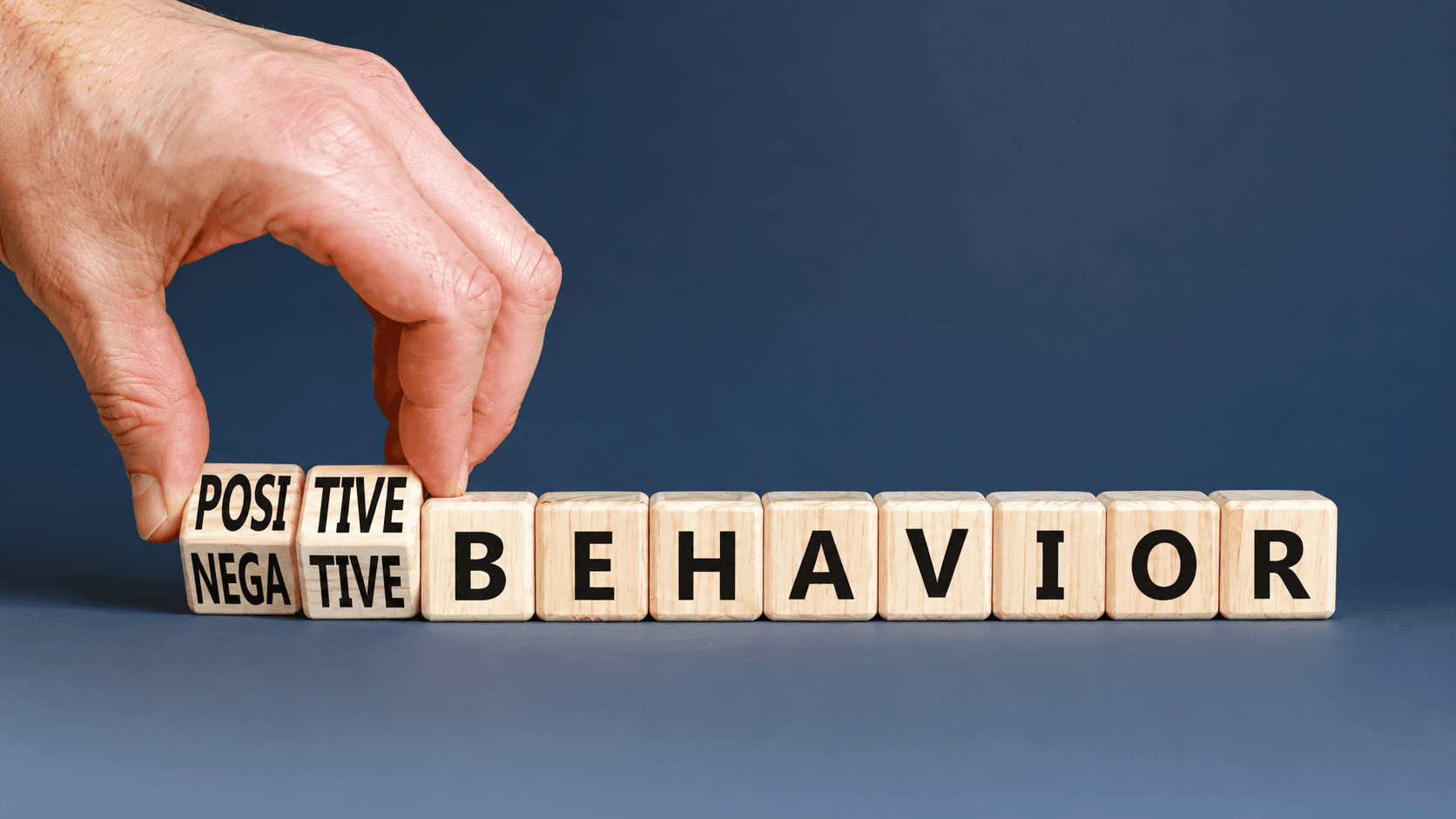
Negative behaviors among youth represent one of the most pressing educational and social challenges of the modern era. They arise at the intersection of psychological, cultural, media-related, and economic factors, and their repercussions affect individual stability and societal cohesion alike. Against this backdrop, moral education emerges as one of the most significant preventive and remedial pathways — not as an abstract moralistic discourse, but as a comprehensive educational project aimed at cultivating conscience, refining behavior, and channeling energies toward the common good.
From an Islamic perspective, moral education is inseparable from the goals of holistic upbringing — it forms its very essence, grounded in the principle of building the individual from within before regulating behavior from without.
Moral Education in the Islamic Framework
Moral education in Islam is built upon linking behavior to faith-based values, making ethics a natural fruit of God-consciousness and self-accountability. Ethics are not merely externally imposed rules, but commitments arising from inner conviction and personal responsibility.
The Islamic approach instills in the soul such values as truthfulness, trustworthiness, self-restraint, respect for others, and personal accountability — treating these as fundamental principles that govern both individual and social conduct. When young people are raised upon these values through a gradual and structured educational process, they become more capable of resisting behavioral deviation and less susceptible to negative external pressures.
Negative Behaviors: Causes and Challenges
Educational research indicates that negative behaviors among youth rarely emerge from a vacuum. They are typically nourished by a range of contributing factors, most notably:
• Weak value and moral foundations during early upbringing.
• Absence of positive role models within the family or educational institution.
• Unregulated exposure to media and digital platforms.
• Reliance on punitive educational methods without proper guidance.
• A sense of moral emptiness and lack of purpose.
In the face of these challenges, moral education becomes an urgent necessity — not a pedagogical luxury — for regulating behavior and developing a consciousness capable of discernment and informed choice.
How Moral Education Helps Reduce Negative Behaviors
Moral education plays a pivotal role in addressing negative behaviors through several integrated pathways:
1. Building an Internal Conscience
When young people learn that ethical values are part of their identity rather than externally imposed rules, they develop an inner sense of accountability that reduces the need for external control and limits deviant behavior even in the absence of supervision.
2. Fostering a Sense of Responsibility
Moral education connects individual behavior to its impact on others and on society, deepening the sense of responsibility and curbing selfish or aggressive conduct.
3. Developing Self-Regulation Skills
Moral values such as patience, forbearance, and discipline help young people manage their emotions and cope with frustration and pressure without resorting to negative behaviors.
4. Offering Positive Behavioral Alternatives
Moral education does not merely reject wrong behavior — it presents practical models of positive alternatives, helping young people redirect their energies toward constructive pursuits.
The Role of the School and Teacher in Moral Education
The school represents a central environment for reinforcing moral education, particularly when its role transcends knowledge transmission to encompass character formation. The teacher is an essential element in this process — serving as a practical role model before being a theoretical guide. When the educational environment is characterized by fairness, respect, and open dialogue, and when the ethical dimension is integrated into curricula and activities, the school transforms into an educational space that reduces negative behaviors and strengthens self-discipline and a sense of belonging to shared values.
The Family and Community: Partners in Moral Formation
Moral education cannot succeed if confined to the school alone. The family is the primary incubator of values, and the community is the arena in which they are applied. When the roles of the family, the school, and religious and cultural institutions are complementary and cohesive, the prospects for building a robust moral framework capable of protecting youth from deviance are greatly enhanced.
The impact of moral education on reducing negative behaviors among youth is neither immediate nor superficial — it is a deep and cumulative process that begins with building awareness, continues with entrenching values, and culminates in shaping a well-balanced individual capable of governing his own conduct and contributing positively to society.
In a world where challenges accelerate and influences multiply, moral education — in light of the Islamic vision — remains one of the most vital keys to educational and social reform. For it does not merely treat behavior on the surface; it builds the human being at the core.
Related posts
June 14, 2026 · Moral Education and Character Building · 5 min read
The Love of Knowledge in the Scale of Islamic Values
June 14, 2026 · Moral Education and Character Building · 4 min read
A Society Without Ethics? An Islamic Reading of the Contemporary Values Crisis
June 14, 2026 · Aqeedah & Iman · 3 min read